Slap Virus Vs Scarlet Fever are two illnesses that can cause fever, rash, and discomfort, but they arise from different pathogens and require different approaches to care. This article uses clear comparisons to help you recognize patterns, understand causes, and know when to seek medical help.
Key Facts About Slap Virus Vs Scarlet Fever

Key Points
- Pathogens: Slap Virus (parvovirus B19) vs Scarlet Fever (group A Streptococcus) originate from distinct organisms with different transmission dynamics.
- Symptoms: Slap cheek rash and mild systemic signs are typical for Slap Virus, while Scarlet Fever often presents with fever, sore throat, a sandpaper-like rash, and strawberry tongue.
- Diagnosis: Parvovirus B19 testing and clinical signs support Slap Virus, whereas Scarlet Fever is usually diagnosed with throat culture or rapid strep testing.
- Treatment: There is no specific antiviral for Slap Virus; Scarlet Fever requires antibiotic therapy to prevent complications and reduce contagiousness.
- Prevention: No vaccines exist for either condition; hygiene, avoiding sharing utensils, and prompt treatment of strep throat help reduce spread.
Slap Virus Vs Scarlet Fever: Symptoms Overview
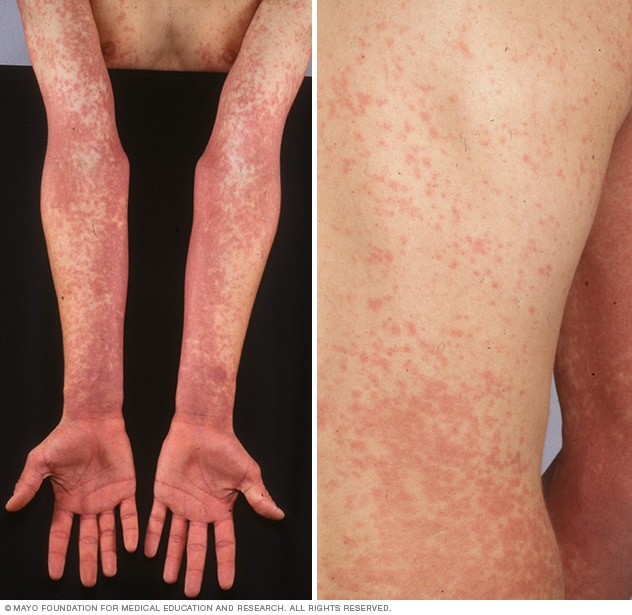
Slap Virus (parvovirus B19) commonly causes a bright red rash on the cheeks that may fade into a lacy pattern on the trunk and limbs. Other signs can include low-grade fever, fatigue, and sometimes joint pain, particularly in adults. Scarlet Fever typically starts with a fever, sore throat, and swollen glands, followed by a diffuse red rash that feels like sandpaper. A classic feature is a strawberry tongue, where the tongue appears red and bumpy before the rest of the mouth signs fade. Recognizing these distinct patterns helps clinicians distinguish between the two conditions.
Slap Virus Vs Scarlet Fever: Causes and Transmission
Slap Virus is caused by parvovirus B19 and spreads mainly through respiratory droplets, with potential transmission from mother to fetus in pregnancy. Scarlet Fever results from infection with group A Streptococcus and travels via droplets from an infected person, often following a streptococcal throat infection. While both are contagious during active illness, the timing and context of exposure differ between the two diseases.
Slap Virus Vs Scarlet Fever: Diagnosis and Treatment Overview
For Slap Virus, clinicians rely on clinical signs and may confirm with serology to detect parvovirus antibodies. For Scarlet Fever, throat swab culture or rapid antigen detection testing is commonly used. Treatment diverges: Slap Virus generally requires supportive care—rest, fluids, fever management—since there is no targeted antiviral. In contrast, Scarlet Fever requires a course of antibiotics (typically penicillin or amoxicillin) to clear the infection and reduce the risk of complications. Contagiousness for scarlet fever typically decreases after starting antibiotics and once the systemic symptoms improve.
Slap Virus Vs Scarlet Fever: Prevention and When to Seek Care
Prevention centers on good hygiene, avoiding sharing utensils or cups, and minimizing close contact when either illness is suspected. There is no vaccine for either condition, so preventing spread relies on timely diagnosis and management of the streptococcal infection that leads to scarlet fever. Seek medical care if fever is high and persistent, if you have trouble breathing, severe throat pain, dehydration, or symptoms worsen or do not improve after a few days. Pregnant people with possible exposure to Slap Virus B19 should contact their healthcare provider for guidance, as maternal infection can have implications for the fetus.
What are the hallmark symptoms that distinguish Slap Virus Vs Scarlet Fever?
+Slap Virus (parvovirus B19) often causes a bright red "slapped cheek" rash and a possible lacy body rash, sometimes with mild fever or joint pain. Scarlet Fever features a fever, sore throat, a red sandpaper-like rash, and a strawberry tongue; throat findings and rash characteristics help differentiate the two.
<div class="faq-item">
  <div class="faq-question">
    <h3>Can you get Slap Virus Vs Scarlet Fever at the same time?</h3>
    <span class="faq-toggle">+</span>
  </div>
  <div class="faq-answer">
    <p>Yes, it is possible to be infected with both pathogens during the same period, though it would require separate illnesses with their own clinical courses. Correct testing is important to avoid misdiagnosis and to guide appropriate treatment.</p>
  </div>
</div>

<div class="faq-item">
  <div class="faq-question">
    <h3>Is there a vaccine for Slap Virus Vs Scarlet Fever?</h3>
    <span class="faq-toggle">+</span>
  </div>
  <div class="faq-answer">
    <p>There is no vaccine for either parvovirus B19 (Slap Virus) or group A Streptococcus (Scarlet Fever). Prevention focuses on good hygiene, avoiding close contact when contagious, and promptly treating streptococcal throat infections to reduce spread.</p>
  </div>
</div>

<div class="faq-item">
  <div class="faq-question">
    <h3>When should I seek medical care for suspected Slap Virus Vs Scarlet Fever?</h3>
    <span class="faq-toggle">+</span>
  </div>
  <div class="faq-answer">
    <p>Seek care for a high fever, dehydration, severe throat pain, breathing difficulties, or if symptoms persist or worsen beyond a few days. Pregnant individuals or those with immune concerns should consult a clinician promptly if exposure is possible to Slap Virus B19 or if scarlet fever infection is suspected.</p>
  </div>
</div>