
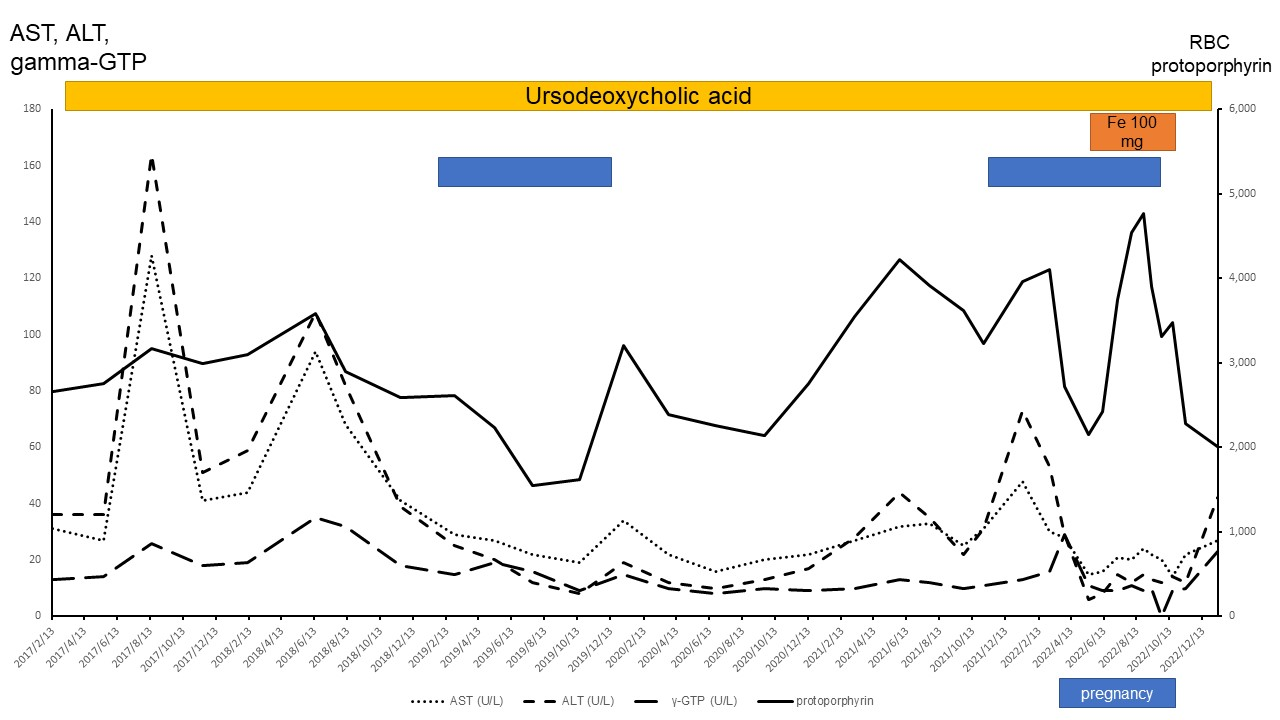
The physiological changes of pregnancy involve notable shifts in the blood that support the growing fetus. Erythrocyte Volume During Pregnancy describes the amount of circulating red blood cells in relation to plasma volume, and it helps explain why some expectant individuals experience a drop in hemoglobin levels even when overall health is good. Understanding this balance can guide nutrition, screening, and treatment decisions to reduce anemia risk and support maternal well-being.
What is erythrocyte volume during pregnancy?
Erythrocyte volume during pregnancy reflects the red blood cell mass and its ability to carry oxygen to both mother and baby. During gestation, plasma volume often expands more rapidly than red cell mass, creating a dilution effect that can lower measured hemoglobin without indicating a lack of red cells. This distinction matters for interpreting blood tests and planning care.
Hemodilution and anemia risk during pregnancy
As plasma volume rises, the blood becomes thinner in composition, a state sometimes referred to as physiological anemia of pregnancy. While this is a normal adaptation, it can intersect with iron deficiency or other nutritional gaps to elevate anemia risk. Clinicians look at a combination of measurements—such as hemoglobin, ferritin, and folate levels—to assess true needs and tailor recommendations.
Monitoring and management
Regular prenatal checkups often include blood tests to monitor erythrocyte volume during pregnancy and overall iron status. Early detection of a trend toward low hemoglobin or depleted iron stores allows for timely interventions, whether through dietary adjustments, fortified foods, or prescribed supplementation under medical supervision. It’s common for care teams to individualize plans based on trimester, prior health history, and current lab results.
Practical steps for supporting healthy erythrocyte volume
Prioritize nutrient-dense, iron-rich foods (such as lean meat, legumes, dark leafy greens) and pair iron sources with vitamin C to enhance absorption. Take prenatal vitamins as recommended, and discuss any side effects or concerns with a healthcare provider. Hydration, rest, and safe physical activity also support circulation and overall health during pregnancy.
Key Points
- The expansion of plasma volume often outpaces erythrocyte production, causing a temporary dip in hemoglobin called physiological anemia of pregnancy.
- Iron status is a major driver of anemia risk; maintaining adequate iron through diet and supplementation can reduce the likelihood of clinically significant anemia.
- Laboratory interpretation should consider trimester-specific expectations for erythrocyte volume and iron markers to avoid over- or under-diagnosis.
- Personalized care, including nutrition counseling and appropriate supplementation, improves outcomes for both mother and baby.
- Ongoing prenatal screening enables early intervention if red cell mass or iron stores fall outside expected ranges.
Next steps and guidance
If you are pregnant and concerned about erythrocyte volume or anemia risk, speak with your clinician about a plan tailored to your health history and current labs. Maintain a balanced diet, adhere to prenatal vitamin recommendations, and report symptoms such as unusual fatigue, pale skin, or shortness of breath to your care team promptly. Together, you can navigate the changes in erythrocyte volume during pregnancy with informed decisions and supportive care.
What does a drop in hemoglobin mean during pregnancy?
+A mild decrease can reflect normal plasma volume expansion, but persistent or pronounced drops may indicate iron deficiency or other causes. Your clinician can interpret results in the context of your trimester and symptoms.
How is erythrocyte volume during pregnancy assessed?
+Assessment typically includes measurements such as hemoglobin, hematocrit, ferritin, and possibly iron studies. Interpreting these values requires considering the stage of pregnancy and overall health.
What dietary steps support erythrocyte volume during pregnancy?
+Focus on iron-rich foods (meats, beans, fortified grains) and pair with vitamin C sources to improve absorption. Discuss prenatal vitamins with your provider to ensure adequate iron, folate, and B12 intake.
When should I contact my healthcare provider about anemia?
+Seek guidance if you experience persistent fatigue, dizziness, shortness of breath, or if laboratory tests show low hemoglobin or iron stores. Early intervention can reduce risks for both mother and baby.